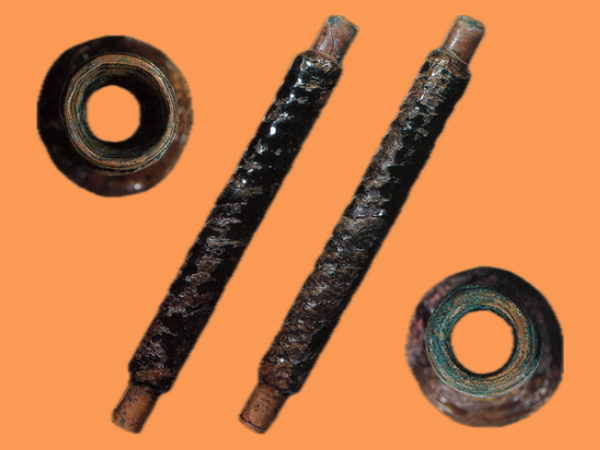
Takrud Sorosamongkol of Luang Pu Iam Pathamanam

1877

When the vihara of Wat Saphan Sung was constructed around 2420 BE, a standard form of the Sorosamongkol Takrud was created on that occasion. It is known that these takrud were made in both lead and copper. The inner roll typically consists of five to six turns (some accounts mention seven turns). For this series, Ajarn Khong, a close disciple, inscribed the sacred characters on the metal sheets, while Luang Pu Iam himself performed the consecration. Donors who contributed one tamlueng received one takrud.
Later, during the construction of the chedi at Wat Saphan Sung in 2431 BE, it is said that the Sorosamongkol Takrud was created once again, exclusively for those who contributed to the chedi’s construction, with the donation amount also set at one tamlueng. On this occasion, takrud were likewise made in both lead and copper. There is information indicating that both Ajarn Khong and Luang Pu Klin (who was ordained in 2423 BE) jointly inscribed the sacred characters for this series. Although the chedi was not fully completed before Luang Pu Iam passed away in 2439 BE, Luang Pu Klin later oversaw its completion in the following year.
The yantras used in the creation of the Sorosamongkol Takrud consist of two principal yantras. The inner yantra is the Maha Sorosamongkol Yantra, while the outer yantra is the Tisarana-gaman Yantra. This form of takrud is intended for men. For women, the yantra prescribed is the Trini Singha Yantra, with a length of approximately seven centimeters, or in some cases a Sarika Takrud is given instead.
Because the creation of the Sorosamongkol Takrud was carried out with great care and required the chanting of the Maha Mun Mantra 10,000 times, it is said to have taken as long as seven years for its full potency to be realized. The power of this takrud is regarded as supreme, guarded by celestial beings, and capable of providing protection from danger both on land and in water. When kept within a household, it is said to protect the entire home. Its extraordinary potency is considered beyond the limits of complete description in words.


Amulet Gallery
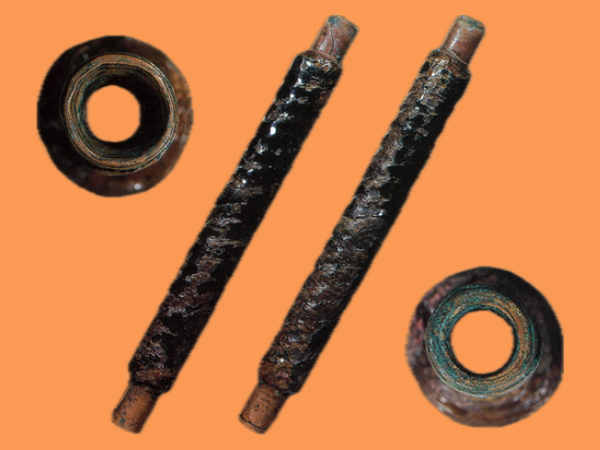
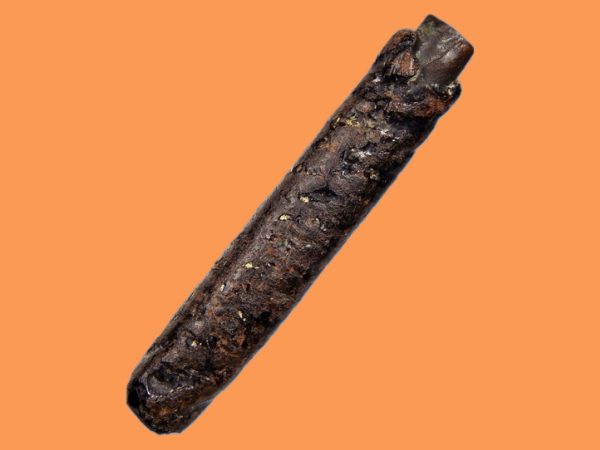
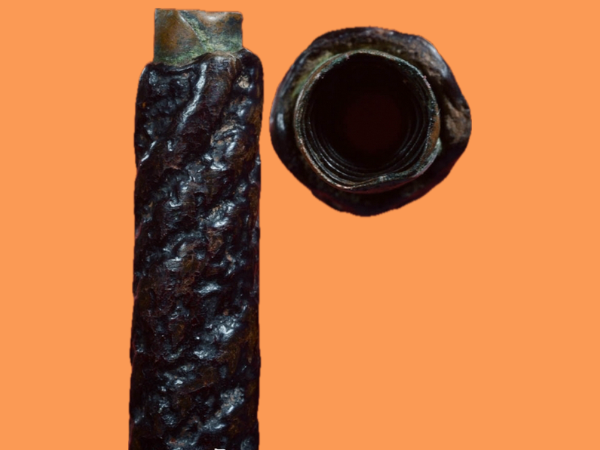
The image depicts the Solasamongkol Takrut of Luang Pu Iam Pathamanam from Wat Saphan Sung, an important sacred amulet created during the late reign of King Rama V. The takrut is made from a rolled metal sheet formed into a long cylindrical shape, with traces of traditional lacquer coating and tightly wrapped cord on the exterior, reflecting authentic ancient craftsmanship. The cross-sectional views reveal multiple layers of rolled metal, a distinctive characteristic of the Solasamongkol Takrut. This amulet is traditionally believed to provide protection, auspiciousness, and spiritual power to the bearer. The image clearly conveys its religious significance, artistic value, and historical importance associated with Wat Saphan Sung.
The image shows a single full-length view of the Solasamongkol Takrut of Luang Pu Iam Pathamanam from Wat Saphan Sung. The takrut is made from a rolled metal sheet formed into a long cylindrical shape. The surface bears traces of aged lacquer and traditional cord wrapping, clearly indicating its antiquity. One end reveals a small exposed section of metal, reflecting the original technique of rolling inscribed metal sheets. This type of takrut is traditionally believed to provide protection, bring auspiciousness, and serve as a spiritual anchor for devotees. The image conveys the religious, artistic, and historical significance of this sacred amulet associated with Wat Saphan Sung.
The image presents the Solasamongkol Takrut of Luang Pu Iam Pathamanam from Wat Saphan Sung, showing both a side view of the takrut and a cross-sectional view of its end. The takrut is made from an inscribed metal sheet rolled into a long cylindrical form. The exterior is covered with dark aged lacquer and tightly wrapped cord, demonstrating traditional craftsmanship. The surface shows clear signs of age and long-term preservation. The cross-sectional view reveals multiple layers of rolled metal, a key characteristic of the Solasamongkol Takrut. This sacred amulet is traditionally believed to offer protection, bring auspiciousness, and serve as a spiritual symbol for devotees.
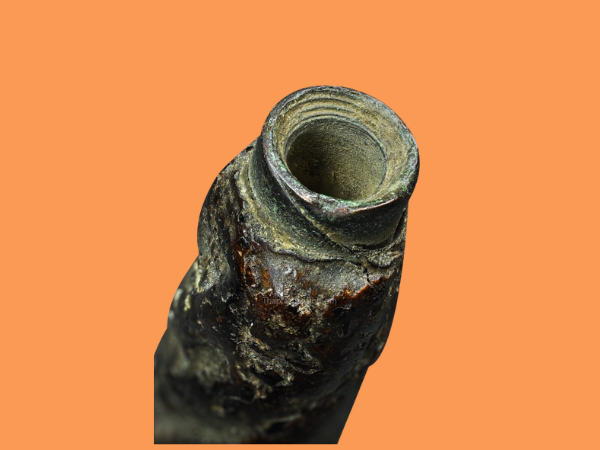
The image shows a close-up view of the end of the Solasamongkol Takrut of Luang Pu Iam Pathamanam from Wat Saphan Sung. The cross-section clearly reveals multiple layers of rolled metal sheets, a traditional ancient construction technique. The inner metal surface displays oxidation and signs of age accumulated over time. Traces of old lacquer and cord wrapping remain visible on the exterior, reflecting long-term preservation. This image highlights the traditional craftsmanship used in creating the takrut and serves as tangible evidence of its authenticity, historical value, and religious significance associated with Wat Saphan Sung.
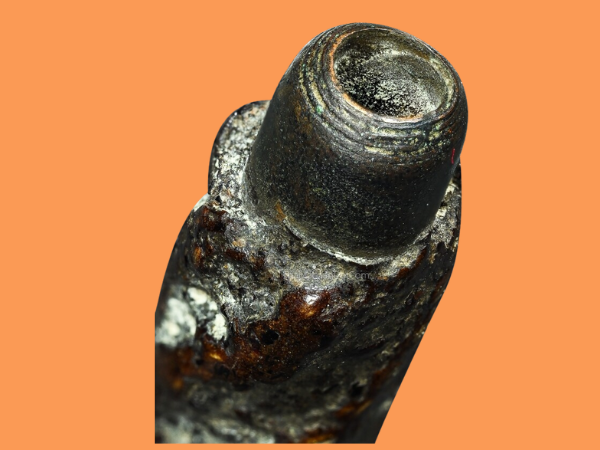
The image presents a close-up view of the tip of a Solasamongkol Takrut, a revered sacred amulet associated with Luang Pu Iam Pathamanam of Wat Saphan Sung The takrut is made of metal in a cylindrical form, with the end tightly rolled and sealed. The layered metal structure is clearly visible, while the surface shows oxidation, corrosion, and signs of long-term aging. These characteristics reflect its antiquity and authentic traditional craftsmanship. The image emphasizes the historical value of the amulet, which is believed to embody protective and auspicious qualities rooted in Buddhist tradition.